Take this belief on classroom management and switch it to a belief on classroom connection.
Seeing our students centers on what we believe about our students. Before I dive into anything actionable that you can do in your classroom tomorrow, we have to start with how you are walking into that classroom tomorrow. Personal biases, beliefs, and experiences influence our approach to not only teaching but, more importantly, the interactions we have with our students. These stem from mindset.
When I think about my first year of teaching, I imagine a roller coaster. No, not the moment when you reach the top and are about to free fall, but the moment when you are upside down in that loop. So yeah, my mindset was also upside down, and it remained that way until I moved back home to New Jersey and began engaging with the work I share with you now.
I transitioned to another KIPP School in Newark. People told me if I could teach in New Orleans, I could work anywhere. I expected my roller coaster ride to be much smoother, but I was wrong. I went from 22 students with a co-teacher for half of the day to 30 students with a co-teacher for one block of the day, which was also the grade level substitute. Then, on the first day of school, I met (changing their name) Terrell.
While Jarnell was “busy” in ways that influenced his focus, Terrell outwardly exhibited behaviors that impacted not only himself but the rest of the class. When frustrated, he would walk out of the classroom without permission. If redirected, he would talk back. During a misunderstanding with a peer, he would throw items or punch them. Moments of discouragement resulted in uncompleted work.
These behaviors repeatedly happened throughout the day. It disrupted our routine to the point where I would reward the class separately for ignoring him and staying focused on the task. It also disrupted Terrell’s routine. From August to November, the school suspended him for three or more days each month (we’ll talk about suspensions in a later post).
Seeing Terrell stemmed from what I believed about him, and with the graduate coursework I was completing, I began to understand that his actions were communicating unmet needs. I also recognized that I was a new adult in his life that needed to gain his trust and develop a relationship. So, I did what I knew best then and just started talking to him.
Terrell stayed in the classroom during enrichment blocks to help with extra tasks. Slowly, he started to tell me about his life, from where he lived to the family members that were important to him. Without sharing specific details of his life story, I can tell you that he carried much more than his backpack walking into the school building daily. Most importantly, I saw Terrell in a new light and shifted my beliefs about the behavior I had been taking personally in class.
I also discovered more about his goals. He shared about playing basketball and how he wanted to make it to the NBA one day. When he did, he would buy a mansion for his mom, aunt, cousins, etc., to live together and not have to pay for a thing.
As a result of this, our interactions in the classroom began to change. When he was visibly upset, I would self-regulate by asking him, “Wait, are you yelling at me?” He would pause and respond in a much different tone, “No, Ms. Luciano, I’m not. I’m just mad about what they said at lunch.”
As he remained in the classroom more, I discovered what interested him. When we read about Martin Luther King Jr., he eagerly raised his hand to share additional facts he knew with the class. We even implemented a basketball token board to reward his positive choices.
In full transparency, my talking to him during Enrichment blocks was not the solution. There were even days I was so frustrated that I sent him to art or music anyway. However, it created moments of connection that translated to smaller moments of progress.
It took us until February of that school year to establish a foundation of trust with one another. Then, we went home for what we thought would only be two weeks in March. The pandemic forced us to transfer our relationship to a Google Classroom for the remainder of the year. Then, the following school year, he had to start over with a new teacher on a Zoom screen. Then, the next school year, he again started with a new teacher.
My first year in education (and the few after) was an upside-down roller coaster because I had no classroom management. And as a teacher, you become focused on this term until someone else deems you have it. Across school buildings, teachers discuss well-managed classrooms versus those that are not. It is even a part of your evaluation. Observers calculate how many students are on task, how the teacher responds to misbehaviors, etc.
While it is important, Terrell taught me that my role is not to manage children but to connect with them. A clear direction with movement, participation, and voice or routine for our Reader’s Workshop block would not alter the unmet needs he was communicating through his actions. As educators, we must take this belief in classroom management and switch it to a belief in classroom connection.
Seeing our students centers on what we believe about our students. That narrative confronts them whether we realize it or not. I have been in conversations where I heard, “Oh Terrell, he’s different.” And yes, as a teacher, you have to vent. You have to laugh about some of the things you experience daily. I have my share of stories.
However, I also must stop, step in and say, “Yes, Terrell is challenging, and are you also aware of anything he’s been through?” If you knew his experiences, you would believe what he knows to be true about himself: he is strong. Like our students carry personal experiences with their backpacks each morning, we bring personal beliefs with our coffee.
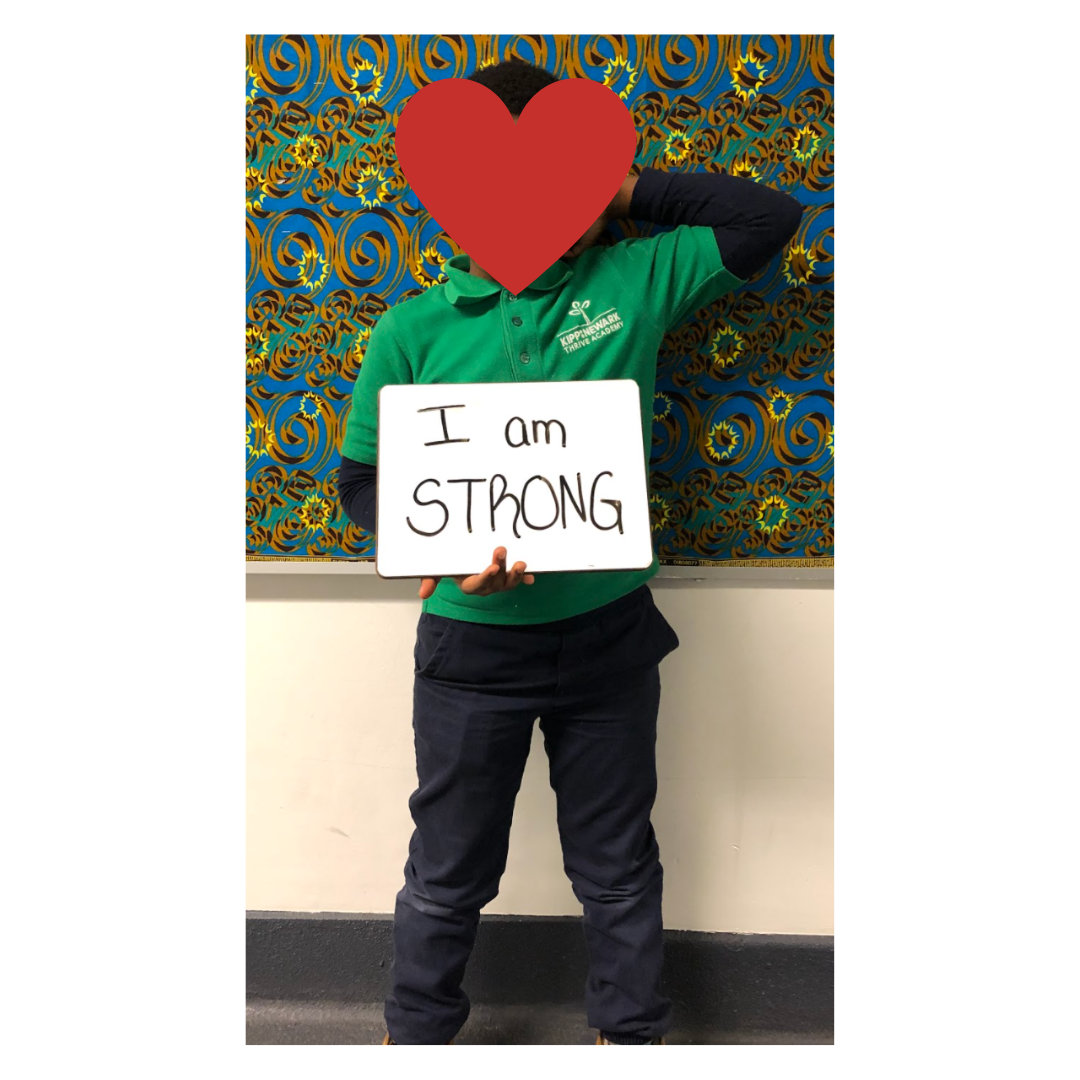
Therefore, in my opinion, a well-run classroom is not led by an adult that can manage effectively but instead, an adult that connects intentionally.
That leaves us with classroom management or classroom connection - what do you think?